This article delves into the current state of the mechanical equipment industry, particularly highlighting the impact of hot policy topics such as sustainability, digitalization, and the rise of emerging markets. The article explores the key drivers of change, the challenges faced by industry players, and the potential for growth through innovation and adaptation. By analyzing these aspects, the article aims to provide insights for industry stakeholders to navigate the ever-evolving landscape of the mechanical equipment sector.
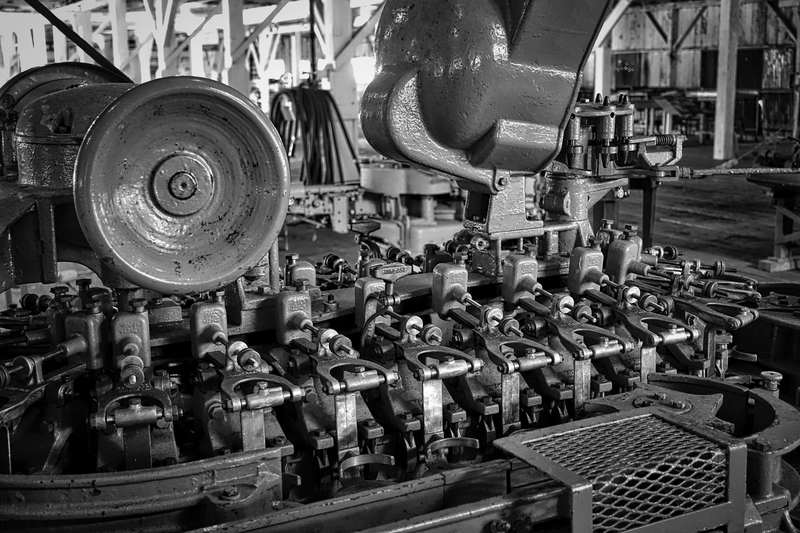
The mechanical equipment industry has been a cornerstone of various industries worldwide, playing a crucial role in driving economic growth and development. However, recent policy shifts and technological advancements have significantly reshaped the industry's trajectory. This article will explore three hot policy topics that are redefining the mechanical equipment landscape: sustainability, digitalization, and the rise of emerging markets. Firstly, sustainability has become a central theme in global policymaking, with many countries adopting green initiatives to reduce carbon emissions and promote eco-friendly practices. This trend has had a profound impact on the mechanical equipment industry, as manufacturers are now expected to design and produce products that are not only efficient but also environmentally friendly. For instance, the use of renewable energy sources in manufacturing processes and the development of low-carbon technologies are becoming increasingly important. Additionally, consumers are becoming more conscious about their environmental footprint, leading to a preference for sustainable and eco-friendly mechanical equipment. As a result, companies in this industry must adopt sustainable practices to remain competitive and meet customer expectations.Secondly, digitalization is transforming the way mechanical equipment is designed, manufactured, and operated. The adoption of advanced technologies such as artificial intelligence (AI), machine learning (ML), and the Internet of Things (IoT) is enabling real-time monitoring, predictive maintenance, and remote control capabilities. These advancements not only enhance efficiency but also reduce downtime and maintenance costs. Furthermore, digitalization is facilitating the integration of mechanical equipment into smart factories and industrial 4.0 initiatives, which aim to create more flexible, adaptable, and sustainable production systems. As such, companies in the mechanical equipment industry must embrace digitalization to stay ahead in this rapidly evolving landscape.Lastly, the rise of emerging markets presents both opportunities and challenges for the mechanical equipment industry. The growth of economies like China, India, and Southeast Asia has created a significant demand for mechanical equipment in these regions. However, these markets also require tailored solutions that consider local conditions, regulations, and cultural differences. To tap into this potential, companies must adopt a more global mindset, understand local needs, and establish strong partnerships with local players. Additionally, emerging markets often have different standards and regulations compared to developed ones, which can create compliance challenges for manufacturers. Therefore, adapting to these diverse requirements is crucial for success in these markets.While these hot policy topics are reshaping the mechanical equipment industry, it is important to acknowledge that they also bring challenges. For instance, the transition to sustainability requires significant investment in research and development (R&D) and may lead to increased costs for manufacturers initially. Similarly, digitalization requires significant investments in technology and training for employees. Additionally, navigating the complex regulatory landscape in emerging markets can be daunting for companies unfamiliar with these markets.To overcome these challenges and capitalize on the opportunities presented by these hot policy topics, collaboration and innovation are key. By working together with stakeholders from various sectors such as governments, research institutions, and other industry players, companies can pool resources and expertise to develop solutions that address these challenges effectively.


 Guangdong public network security no. 44000000000000