This article delves into the current state of the mechanical equipment industry, examining key trends and policies that are shaping the industry\'s future. It highlights the importance of sustainability, innovation, and digitalization in the industry\'s growth and the impact of globalization on supply chains. The article also touches upon the role of government support and initiatives in fostering a competitive environment for mechanical equipment manufacturers.
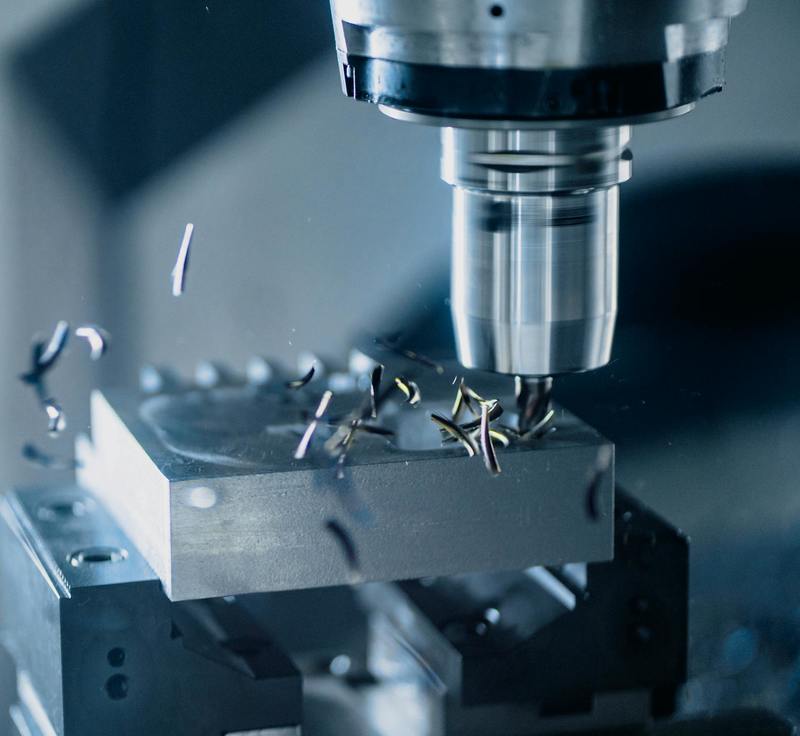
The mechanical equipment industry is a vital cog in the global manufacturing ecosystem, playing a crucial role in driving economic growth and development. With the advancement of technology and changing market dynamics, the industry is undergoing a transformation that is both challenging and充满机遇. This article will explore three key aspects of the industry's current state: sustainability, innovation, and digitalization, as well as the impact of globalization on supply chains. It will also discuss the role of government support and initiatives in fostering a competitive environment for mechanical equipment manufacturers. Sustainability has become a central focus for the mechanical equipment industry, with companies increasingly adopting eco-friendly practices and technologies to reduce their environmental footprint. This trend is driven by both consumer demand for sustainable products and government regulations aimed at promoting green practices. For instance, many companies are shifting towards using renewable energy sources, such as solar and wind power, to power their facilities. Additionally, there is a growing emphasis on designing and manufacturing products that are durable, energy-efficient, and recyclable. Innovation is another key aspect that is driving the industry's growth. The advent of new technologies, such as 3D printing, artificial intelligence, and the Internet of Things (IoT), is enabling mechanical equipment manufacturers to develop more sophisticated and intelligent products. These technologies are not only improving product performance but also enabling manufacturers to create new revenue streams and business models. For example, IoT-enabled equipment can be remotely monitored and controlled, leading to increased efficiency and reduced maintenance costs for end-users. Digitalization is also transforming the way mechanical equipment is designed, manufactured, and serviced. The adoption of digital tools and platforms is enabling manufacturers to streamline their processes, improve product quality, and enhance customer engagement. For instance, computer-aided design (CAD) software allows designers to create complex products quickly and accurately. Similarly, digital manufacturing technologies such as additive manufacturing are enabling the production of customized and complex parts with greater precision. The impact of globalization on supply chains is another important aspect that is shaping the industry's future. The globalization of markets has led to an increase in cross-border trade and collaboration, which has both positive and negative consequences for mechanical equipment manufacturers. On the one hand, it provides access to new markets and resources, but on the other hand, it also exposes manufacturers to risks such as currency fluctuations, political instability, and trade disputes. To mitigate these risks, many companies are diversifying their supplier base and adopting agile supply chain management strategies. In terms of government support and initiatives, many governments around the world are recognizing the importance of the mechanical equipment industry in driving economic growth and development. As such, they are providing various forms of support to help the industry grow competitively. This support can take the form of tax incentives, grants, research funding, or even direct investment in strategic projects. For instance, some governments are establishing research centers or innovation hubs to foster collaboration between industry players and academic institutions.


 Guangdong public network security no. 44000000000000




