Revolutionizing the Mechanical Equipment Industry: Focusing on Construction Machines and the Automotive Trade
scanning:
author:
from:
time:2026-05-23
classify:News Center
The Mechanical Equipment industry is currently experiencing a transformation, driven by advancements in technology, market trends, and the rise of new services. This article delves into the latest developments in Construction machines and the Automotive trade, exploring the impact of automation, sustainability, and digitalization on these sectors. We will also discuss technical specifications, service consultations, and usage skills to provide a comprehensive understanding of the industry.
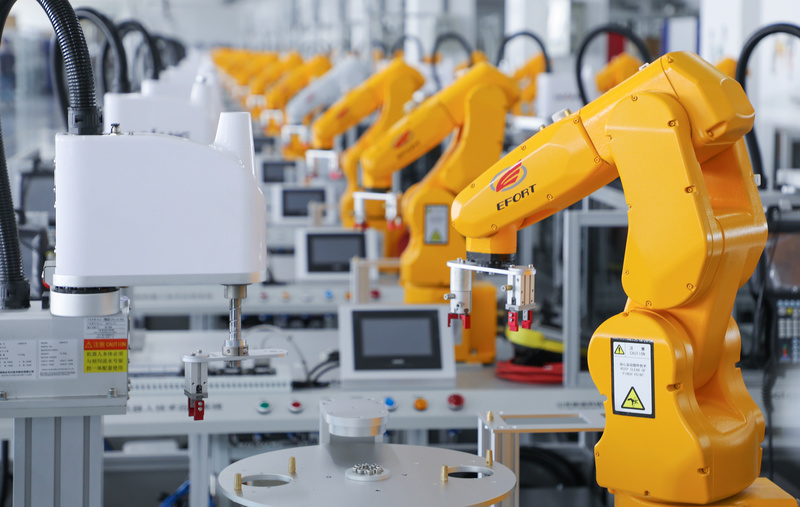
The Mechanical Equipment industry is undergoing a significant transformation, with advancements in technology leading the way for improvements in efficiency, sustainability, and innovation. This transformation is particularly evident in the and sectors, which are at the forefront of this industrial revolution. In this article, we will explore these trends in detail, focusing on the latest developments, technological advancements, market trends, and service consultations in the industry. One of the most notable developments in the Construction machines industry is the increasing adoption of automation. Construction sites are now equipped with advanced robots and autonomous machinery that can perform tasks such as excavation, material handling, and even quality control. These machines not only enhance productivity but also reduce the risk of accidents and increase safety on construction sites. Additionally, the integration of IoT (Internet of Things) technology allows for real-time monitoring and data analysis, which can optimize machine performance and maintenance schedules. In terms of technological advancements, the rise of 3D printing in construction is transforming the industry. 3D printing allows for the creation of complex structures with precision and accuracy, reducing waste and increasing efficiency. This technology is particularly useful for creating prototypes, architectural models, and even small-scale construction projects. Furthermore, advancements in material science have led to the development of stronger and more durable materials that can withstand harsh construction environments, further contributing to the industry's sustainability goals. Market trends in the Mechanical Equipment industry are also pointing towards a greater focus on sustainability. The shift towards eco-friendly is driven by environmental regulations and consumer preferences. For instance, electric and hybrid construction machines are becoming increasingly popular due to their reduced carbon footprint and lower operating costs. Similarly, in the Automotive trade, electric vehicles (EVs) are rapidly gaining traction as they offer reduced emissions and increased range. These trends are expected to continue as governments worldwide introduce stricter emission standards and consumers become more aware of their environmental impact. Service consultations in the Mechanical Equipment industry are also evolving to meet these new demands. Service providers are now offering customized solutions that not only cover routine maintenance but also include training on usage skills and technical specifications. This approach ensures that clients are equipped with the knowledge to make the most of their equipment while reducing downtime and improving overall performance. Additionally, digital platforms are being used to provide remote monitoring and diagnostics services, allowing for quick resolution of any issues that may arise. In conclusion, the Mechanical Equipment industry is undergoing a transformation that is reshaping the way we approach Construction machines and the Automotive trade. Advancements in automation, 3D printing, and material science are driving innovation while market trends towards sustainability are redefining our approach to eco-friendly machinery. Service consultations are evolving to meet these new demands, providing customized solutions that improve efficiency and reduce costs. As these trends continue to evolve, it is essential for industry professionals to stay up-to-date with the latest developments to remain competitive in a rapidly changing landscape.


 Guangdong public network security no. 44000000000000




