The Future of Construction Engineering and Machines in a Digital Era
scanning:
author:
from:
time:2026-07-08
classify:News Center
This article explores the transformative impact of digitalization and sustainability on the construction engineering and construction machines industry. It examines how smart technologies, such as IoT, AI, and automation, are reshaping traditional practices, while also addressing the growing emphasis on green building and environmental responsibility. By analyzing current trends and future prospects, the article highlights the critical role of innovation in driving efficiency, safety, and sustainability in the construction sector.
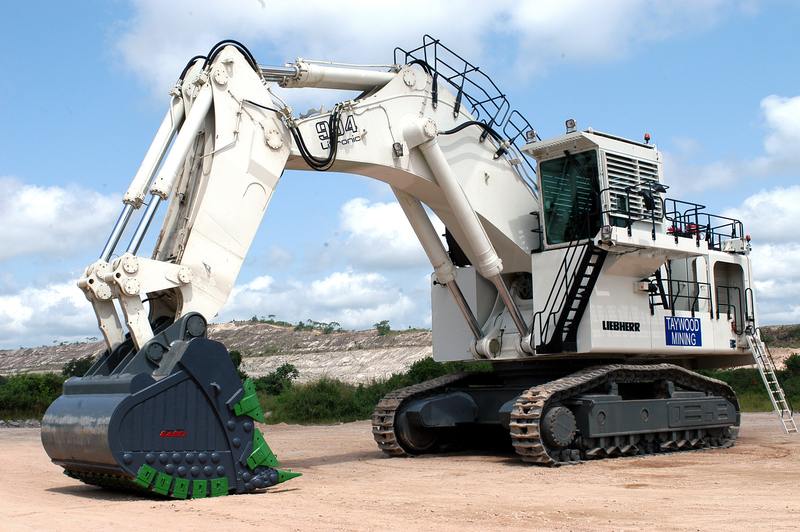
The and industry is undergoing a profound transformation driven by technological advancements and evolving market demands. As the world moves towards smarter and more sustainable infrastructure, the integration of digital solutions into construction processes has become indispensable. One of the most significant trends is the adoption of Internet of Things (IoT) and connected devices in construction machines. These technologies enable real-time monitoring, predictive maintenance, and optimized performance, reducing downtime and enhancing productivity. For instance, GPS-enabled excavators and autonomous loaders can now operate with greater precision, minimizing material waste and improving safety on job sites.Another critical aspect is the rise of artificial intelligence (AI) and machine learning in construction engineering. AI-powered tools are being used to analyze vast amounts of data, from project schedules to material inventories, enabling more informed decision-making. Smart sensors embedded in construction machines can detect potential issues before they escalate, ensuring uninterrupted operations. Additionally, AI-driven simulations and digital twins are revolutionizing project planning, allowing engineers to visualize and test scenarios in a virtual environment before actual construction begins. This not only reduces errors but also accelerates project timelines.Sustainability has emerged as a key focus area in the construction industry, with green building practices gaining momentum. The push for environmentally friendly construction machines is particularly noteworthy. Electric and hybrid excavators, for example, are reducing carbon emissions on job sites, aligning with global efforts to combat climate change. Governments and regulatory bodies are also implementing stricter policies to promote sustainable construction practices. These initiatives include incentives for using eco-friendly materials and technologies, as well as penalties for non-compliance. As a result, construction companies are increasingly investing in sustainable solutions to meet regulatory requirements and consumer expectations.The concept of smart cities is further driving innovation in construction engineering. By integrating IoT, AI, and renewable energy systems, smart cities aim to enhance the quality of life for residents while minimizing environmental impact. Construction machines play a vital role in this vision, with advanced equipment capable of performing tasks with minimal energy consumption. For example, solar-powered construction equipment is being tested in pilot projects, demonstrating the potential for renewable energy to power heavy machinery. Such innovations are not only reducing the carbon footprint of construction projects but also setting new standards for efficiency and sustainability.Despite these advancements, the industry faces challenges such as high initial costs and the need for skilled labor. However, the long-term benefits of adopting digital and sustainable technologies far outweigh these hurdles. As construction engineering continues to evolve, the focus will remain on balancing technological innovation with environmental stewardship. The future of construction machines lies in their ability to seamlessly integrate with digital ecosystems while adhering to stringent sustainability standards. By embracing these trends, the industry can pave the way for a more efficient, safe, and sustainable built environment.


 Guangdong public network security no. 44000000000000




