Global Machinery Trade 2024: Policy Shifts, Smart Construction Equipment, and Cross-Border Logistics Trends
scanning:
author:
from:
time:2026-10-06
classify:News Center
This article analyzes three key trends shaping the mechanical equipment industry in 2024: new trade policies affecting import and export trade, the rise of smart and green construction machines, and logistical innovations. It highlights how tariff changes, electrification, and digital freight platforms are altering cross-border equipment transactions. The article argues that compliance expertise, integrated technology, and supply chain resilience are now critical for success in the global machinery market.
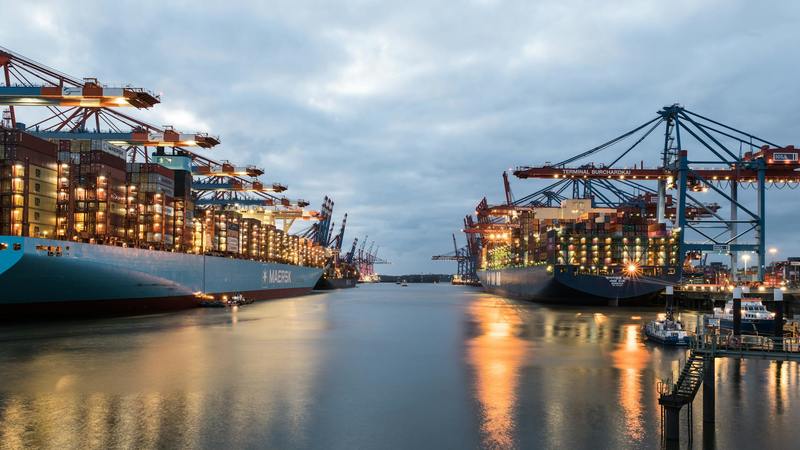
The mechanical equipment industry is undergoing a profound transformation in 2024, driven by shifting trade policies, rapid technological adoption in construction machinery, and evolving logistics networks. These forces are reshaping flows, creating both opportunities and uncertainties for manufacturers, distributors, and end users across the globe. This article examines three interconnected themes: the impact of new tariff and subsidy policies on cross-border equipment transactions, the rise of smart and green , and the logistical bottlenecks and solutions shaping international machinery delivery.**Policy Shifts Reshaping Import and Export Trade**In recent months, several major economies have introduced or revised policies that directly affect the import and export trade of mechanical equipment. For instance, updated rules of origin under regional trade agreements have altered sourcing strategies for components such as hydraulic systems, engines, and electronic control units. Meanwhile, carbon border adjustment mechanisms in Europe and North America are beginning to influence the cost structure of heavy machinery exports, particularly for diesel-powered equipment. These policies compel manufacturers to rethink supply chains, often shifting final assembly closer to end markets to avoid tariffs. For construction machines, the implications are significant: a single excavator may contain parts from a dozen countries, and any tariff change can ripple through the cost base. As a result, many firms are diversifying suppliers and increasing local content. The net effect is a more fragmented but resilient import and export trade landscape, where flexibility and compliance expertise become competitive advantages.**The Rise of Smart and Green Construction Machines**Construction machines are no longer just iron and steel. The integration of telematics, autonomous operation, and electrification is accelerating. In 2024, electric mini-excavators and hybrid wheel loaders have moved from prototypes to commercial fleets in urban projects across Asia and Europe. These machines reduce emissions and noise, aligning with stricter urban environmental regulations. For import and export trade, this shift creates new demand patterns: batteries, electric motors, and power electronics are now critical export categories, often subject to different tariff lines and safety certifications than traditional diesel engines. Moreover, smart construction machines generate data that can be used for predictive maintenance and fleet optimization, adding a service dimension to equipment sales. Buyers increasingly evaluate total cost of ownership, including energy and data connectivity, rather than just purchase price. This favors manufacturers that can offer integrated solutions and remote diagnostics, and it also opens opportunities for smaller innovators in the import and export trade of specialized components.**Logistical Challenges and Digital Solutions**The physical movement of construction machines and heavy equipment remains a bottleneck. Port congestion, vessel shortages, and fluctuating freight rates have made international delivery less predictable. Oversized cargo, such as bulldozers and cranes, requires specialized roll-on/roll-off ships or flat racks, and any delay can stall entire projects. To mitigate these risks, companies are adopting digital freight platforms that provide real-time visibility and dynamic routing. Some are also using regional distribution hubs to hold inventory closer to customers, reducing lead times. In parallel, 3D printing of spare parts is emerging as a way to bypass traditional logistics for non-critical components. These innovations are not merely operational fixes; they are reshaping the economics of import and export trade. For instance, a construction machines dealer in Southeast Asia can now source a replacement part from a local print farm instead of waiting weeks for an international shipment. This reduces downtime and lowers inventory costs, but it also challenges traditional aftermarket revenue models.**Outlook and Strategic Implications**Looking ahead, the mechanical equipment industry must navigate a complex mix of policy, technology, and logistics. Three strategic priorities stand out. First, compliance and trade intelligence will be as important as engineering excellence. Companies need dedicated teams to monitor tariff changes, rules of origin, and certification requirements across multiple jurisdictions. Second, investment in smart and green construction machines should be paired with training and digital infrastructure, otherwise the benefits of telematics and electrification will remain underrealized. Third, logistics resilience requires a multi-modal approach: combining sea, rail, and road, and leveraging digital tools for real-time decision-making. For firms engaged in import and export trade, the winners will be those that treat trade policy as a core business function, not an administrative afterthought. They will also need to collaborate with logistics partners and technology providers to build adaptive supply chains.In conclusion, the mechanical equipment sector is at an inflection point. Policy shifts are redrawing trade maps, smart construction machines are redefining product value, and logistical innovation is rewriting delivery economics. Stakeholders who understand these interconnections will be better positioned to capture growth in a volatile but promising global market.


 Guangdong public network security no. 44000000000000




